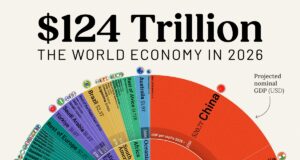


The world economy in 2026 is driven by the process of economic recovery, technological development, and changing economic priorities. After years of economic turmoil, nations have finally started to focus their efforts on economic stability and sustainability in addition to economic transformation in terms of adopting technology in their economies.
Economic Stability and Growth Trends
In 2026, most economies are experiencing moderate but consistent economic growth. Inflation is also low in various parts of the world because of cautious monetary policies and optimized supply chains. Central banks are maintaining the level of interest rates to affect price levels and boost investments and consumption.
Developed countries are focusing on a resilient economy, while the emerging markets are gaining popularity for infrastructure development and expanding consumer markets. Several other factors are also shaping the global economy.
The Emergence of the Digital Finance Era
Digital finance is an increasingly important phenomenon in the global economy. Online banking, e-wallets, and fintech solutions are becoming more common in both household and business life. A number of nations are also experimenting with and developing new central bank digital currencies.
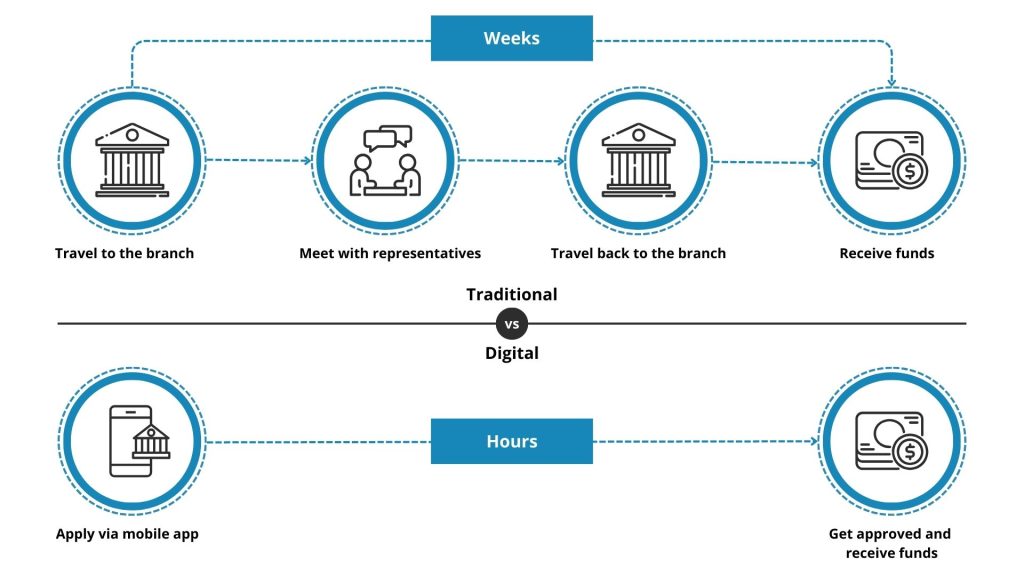
This is diminishing reliance on cash and improving access to financial services, most in areas that were previously underserved. Various communities are becoming more globally connected in terms of money movement as a result of these changes.
Global Trade and Supply Chain Adaptation
Patterns of trade during the year 2026 indicate the need for diversification and risk management. There is restructuring of the supply chain system by the businesses to prevent interruptions; as a result, regional alliances and local manufacturing are emerging as successful alternatives for global investments and trade.
Technology-based logistics operations and data analysis tools are also assisting in managing costs and changing market demands.
Technology and the Labor Market
Technological improvements in automation and artificial intelligence are also shaping the labor market. Even as some classic occupations are turned upside down, new possibilities are emerging in the realm of digital services, data management, and virtual workspaces. Public institutions are actively investing in training in order to ready workers for the technology-driven economy.
Conclusion
The world economy in 2026 is a reflection of change and transformation. Factors like sustainable economic growth, digital financial systems, new trade patterns, and technological innovation are nurturing a more flexible world economy.
“The world economy of 2026 is shaped not by growth, but by smarter systems, the integration of the digital world, and sustainable progress.”
This makes it possible to fully comprehend the changes taking place and plan accordingly for successful performance in a global economy that is increasingly complex.