


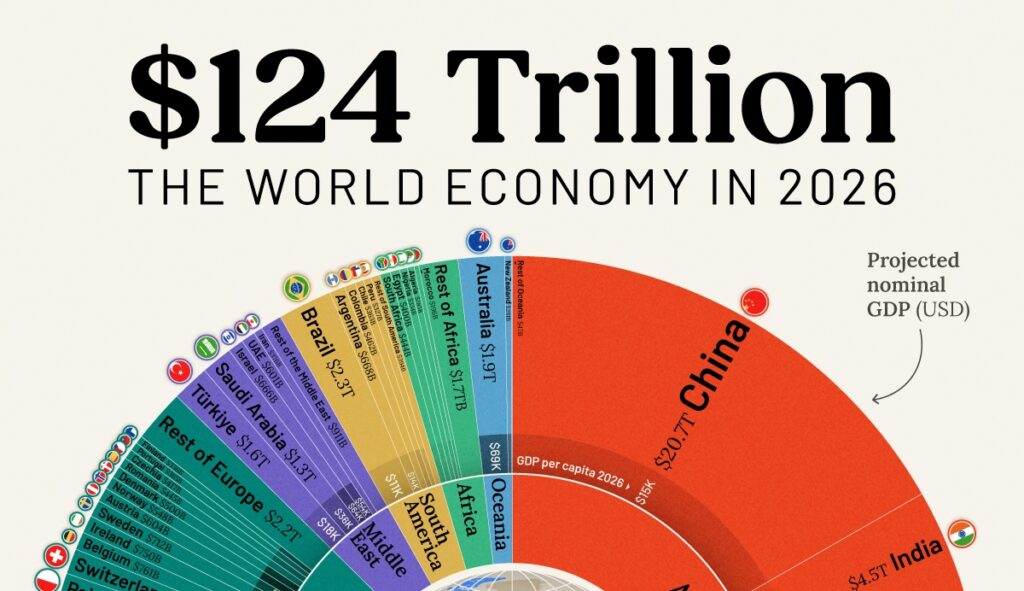
The world economy in 2026 is going through a state of dynamic change. The areas of technological change, geopolitical disruptions, management of inflation, and consumer patterns are altogether creating a new landscape of cross-border and cross-platform money movements. The economy is going through a condition of dynamic change.
Digital Money Reshapes Financial Systems
The year 2026 is expected to see the fastest adoption of digital payments, financial tech, and other digital financial services. Digital wallets, fast global money transfers, and trials of central bank digital currencies could make payments faster and easier. Also, the governments would concentrate on safe and regulated systems to prevent fraud.
Traditional banking models are revised as digital money gains momentum. Financial institutions take strong interest in cybersecurity and digital infrastructure to stay competitive in an increasingly cash-light economy.
Inflation, Interest Rates, and Policy Adjustments
After years of economic turmoil, inflationary trends for the year 2026 are settling down in various parts of the world. The central banks are carefully managing their interest rates. Various aspects, ranging from housing loans to business investment, are being impacted by these measures.
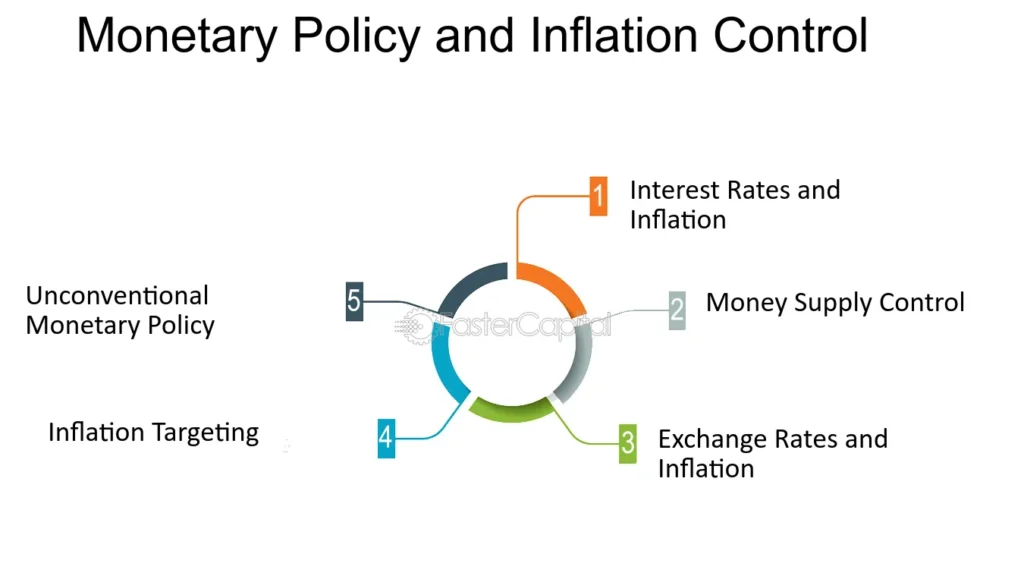

Emerging markets are also experiencing the benefits of more coordinated monetary policies, making it easier for financial resources in these markets to move freely while at the same time controlling the currencies in these markets. Therefore, these controlled measures are essential in rebuilding investors’ confidence in the global market.
Global Trade and Supply Chain Shifts
Patterns in global trade are evolving, with nations moving towards diversification. Companies are revising supply chain strategies to avoid overdependence on particular markets; hence, the rise in trade agreements at the local level.
This trend is not only stabilizing economies but also opening up avenues for investments in the developing economies. The trade routes changing, money is flowing into innovation-driven and efficient markets.
Technology and the Future of Work
Technology is a major factor that continues to influence the economy in 2026. Technological automation, AI, and teleworking are changing the face of the job market. Organizations are focusing on digital skills training, while employees are adjusting to the new employment patterns.
These factors are affecting the distribution of income and patterns of consumer spending, and are propelling economies towards growth on the basis of knowledge and not manufacturing.
Conclusion
Cash in motion is the reality in which the international economy exists in the year 2026.
Technology is defining a digital world of finance with improved policies on money and trade patterns that provide a sensible and practical environment to create sustainable and resilient change in a world obsessed with cash in motion.