


The Khyber Pakhtunkhwa Health Department is telling all hospitals in the province to be careful. They think there might be a surge in influenza cases, especially the H3N2 strain. The Health Department advises hospitals to closely monitor individuals with influenza. They also want hospitals to take care of patients and do laboratory tests on time so that influenza does not spread to a lot of people. The Khyber Pakhtunkhwa Health Department is warning about the H3N2 strain of influenza.
The notification says that the people in charge of health, in the districts, the doctors who run the hospitals and the people who manage the hospitals that teach medicine must be really careful and watchful all the time. They need to take samples from people who might have the flu away and send these samples to the Public Health Reference Laboratory at Khyber Medical University.
This step is to help find H3N2 cases and respond to them quickly, and stop them from spreading across the province. We want to make sure we can deal with H3N2 cases in a way. The goal is to support people in the province by finding H3N2 cases and taking action fast to contain H3N2 cases.
Rising Influenza Activity Raises Concern
Influenza is a cold that you get from a virus. It is called influenza because that is the name of the virus that causes it. Influenza viruses, specifically influenza A and influenza B viruses, are the reason people get sick. Every year, influenza A and influenza B viruses cause a lot of people to get sick at the time. This happens every year. It is a big problem for hospitals and doctors who have to take care of all the sick people.
Influenza A is a worry, especially the H3N2 subtype. This is because Influenza A can spread easily from person to person, and it often makes people very sick. The H3N2 subtype of Influenza A is particularly bad for groups of people. These groups include kids, women who are pregnant, older people and people who have health problems. Influenza A, the H3N2 subtype, affects these people more severely.
Pakistan is seeing an increase in people getting sick with the flu and bad respiratory infections right now. If we look at the numbers from all over the country, we can see that there have been more than 340,856 cases of people who might have the flu. The flu is also known as influenza- illness. Out of all these people who might have the flu, 12 percent of them actually have the H3N2 virus when they get tested. The H3N2 virus is making a lot of people with severe acute respiratory infection, which is also called SARI.
- Things that can make the flu season worse.
- The flu season is a time for a lot of people.
- There are some factors that can make the flu season even worse.
These factors include the flu virus itself and also other things like the weather and the number of people who are getting vaccinated against the flu.
Some things that can make the flu season worse are:
- The type of flu virus that is going around during the flu season
- How many people are getting vaccinated against the flu
- The weather during the flu season.
The flu season can be really bad if the flu virus is very strong and a lot of people are not getting vaccinated against the flu.
- The flu season can also be worse if the weather is very cold and rainy during the flu season.
- These are some of the factors that can make the flu season worse for people who get the flu.
- The flu season is a time, and these factors can make it even worse for people who get the flu.
- Health officials are saying that this year’s flu season might get worse because of some problems.
- These problems are that some people do not have a way to get medical help when they need it
Some hospitals and doctors’ offices are not doing a good job of keeping people from getting sick.
Also, a lot of people do not know what the flu symptoms are or how to stop themselves from getting the flu.
The flu season is a concern for health officials, and they want people to be aware of the flu and how to prevent it.
Health officials are worried about the flu season. They want people to know about the flu.
Living in places is not good for our health. When a lot of people are living in a space, and the air is not fresh, a virus can spread easily from one person to another. The department thinks that outpatient clinics and hospital wards will have a lot of patients in the next few months. They are getting ready for this because of the living conditions and poor ventilation that help the virus spread. The virus transmission is a concern for the department, and they are preparing for higher patient loads in hospital wards and outpatient clinics.
So hospitals are getting ready for this. They need to make sure they can sort out the sick people from others. This is called a triage system. Hospitals also have to keep people who might be sick away from others. They have to make sure they have medical supplies like masks and medicine. Hospitals have to do all this to be ready for the people who will come to them for help.
How H3N2 Spreads and Who Is Most at Risk
Seasonal influenza is something that spreads from person to person. It happens when people cough or sneeze, or even talk. Seasonal influenza can also spread when people touch things that have the virus on them and then touch their face. This is how seasonal influenza can make a lot of people sick.
When people are in places or small rooms, the transmission of something like an illness can happen more easily. This is especially true in places where the air does not move well, like rooms that do not have ventilation. The transmission of illnesses, like these, happens easily in crowded or enclosed spaces.
The advisory talks about some people who’re more likely to get very sick. This includes people who are over 65 years old, little kids who are under five years old, women who are pregnant, people who are really overweight and people with immune systems that do not work very well. The advisory is trying to warn these high-risk groups, like adults over 65 years of age and children under five, that they need to be careful. The high-risk groups, such as women, obese individuals and people with weakened immune systems, should take extra precautions to stay safe.
People who have diabetes and other long-term health problems like heart disease, asthma, kidney disease and neurological disorders are more likely to have issues. These patients with diabetes and patients with heart disease and patients with asthma and patients with kidney disease, and patients with disorders have to be really careful.
Importance of Early Diagnosis and Treatment
Health authorities want us to know that finding out we have the flu and getting treatment right away can really help cut down on problems, time spent in the hospital and deaths from the flu. The flu is a deal, and health authorities are saying that early diagnosis and treatment of the flu can make a big difference.
Influenza is usually not that bad. People get better with some rest, water and medicine to bring down the fever. Sometimes influenza can be really bad, and these cases of influenza need to be watched closely and people with influenza need to get help from a doctor to deal with their influenza.
When people are in the hospital, with a case of the disease that is getting worse, the department thinks it is a good idea to start treating them with antiviral medicine right away. The doctors like to use Oseltamivir, which is also known as Tamiflu, to treat these patients, especially if they can start giving it to them.
Preventive Measures for the Public
The advisory really wants people to do things that can help stop the community from getting sick. This means people should wash their hands a lot with soap and water. If soap is not available, people should use hand sanitiser. The advisory is talking about things like washing hands and using hand sanitiser to prevent the spread of sickness in the community.
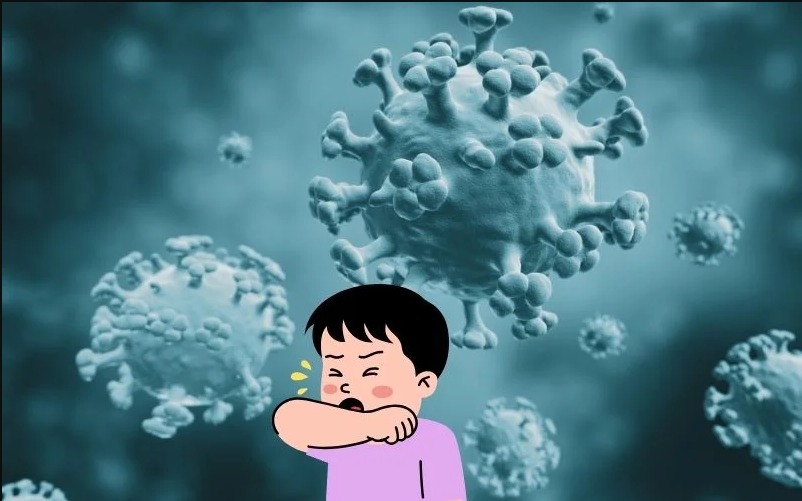
When you cough or sneeze, you should cover your mouth and nose with your elbow. This is a way to stop the spread of sickness.
You should also try to stay away from people who are sick. Staying away from people helps to reduce the risk of getting an infection from coughing and sneezing, which is something that people who are sick do.
When you have the flu, you should stay at home. You need to rest a lot and not go to places where there are a lot of people. The flu is like other illnesses where you feel really sick. So people with the flu should stay away from others. Keep a distance until they feel better and the flu is gone.
Vaccination is really important to keep us safe. It remains a defense, against diseases. Vaccination is something we should all consider to protect ourselves and our loved ones. By getting vaccinated we can help prevent the spread of diseases and keep our communities healthy. Vaccination is a step that can make a big difference.
The department is saying again what the World Health Organisation says about getting a flu shot for the season. They think some people should get the flu shot before others. These people are women who’re pregnant then kids who are young then older people, then people who are sick a lot and then the people who work in hospitals and clinics, like the healthcare workers. The World Health Organisation and the department want to make sure these people get the seasonal influenza vaccination.
Vaccination is really good at keeping people from getting very sick. It helps a lot to reduce the number of people who need to go to the hospital. Vaccination is one of the ways to prevent people from getting severely ill and to reduce the burden on healthcare systems. By getting a vaccination people can stay healthy and strong. This helps to reduce the number of people who need medical care. Vaccination is very important for our health and, for the healthcare systems.
Enhanced Surveillance and Testing Protocols
Hospitals need to keep an eye on people who are at high risk. These people include patients with immune system who are pregnant or who have had a baby in the last two weeks, people who are very overweight and people who live in nursing homes. Hospitals have to watch these high-risk individuals closely. This is important for the health of immunocompromised patients, women, obese individuals and residents of nursing homes.
When people get really sick with a fever that’s 100 degrees or more, and they are also coughing, and they need to go to the hospital, doctors have to take a sample of the stuff they are breathing out right away. This is so they can figure out what is making the patients sick, especially if it is something that affects the lungs. The hospital will do this test on people who have a fever and a cough and need to be in the hospital.
The people who work in healthcare need to put the samples in liquid to keep the viruses alive and then they have to send these samples to the Public Health Reference Laboratory right away so they can do some tests to confirm what is going on with the Healthcare samples, at the Public Health Reference Laboratory.
Final Advisory
The KP Health Department says that getting ready, finding out about the disease early, and people working together are very important to stop H3N2 influenza from spreading. They really want people to help control the spread of H3N2 influenza. The KP Health Department thinks that H3N2 influenza can be controlled if people cooperate with them.
By following clinical guidelines, strengthening surveillance, and promoting preventive measures, health authorities aim to reduce complications and protect vulnerable populations during the ongoing flu season.